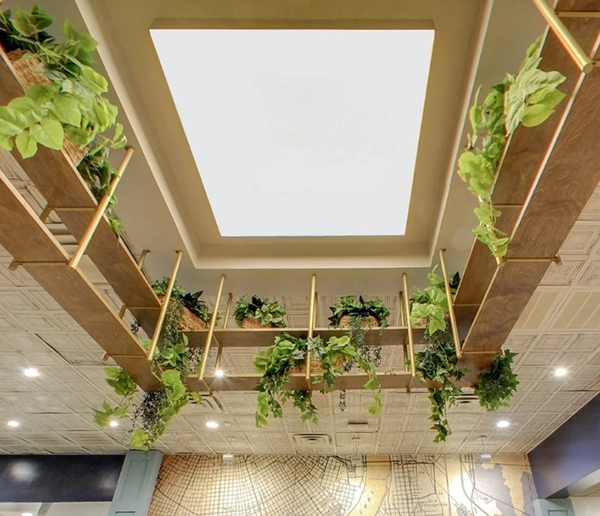
Light is no longer understood solely as a visual requirement. In modern commercial lighting design, human-centric lighting has become a strategic tool that supports human health, comfort, and emotional well-being. By aligning artificial lighting with natural circadian rhythms, designers can create environments that feel intuitive, engaging, and responsive to human needs, particularly in retail and commercial spaces where experience and dwell time matter.
What Is Human-Centric Lighting?
Human-Centric Lighting (HCL) is a lighting design approach that considers the biological and psychological effects of light on people. Rather than relying on static illumination levels, HCL systems adapt light intensity, color temperature, and distribution throughout the day to support alertness, focus, visual comfort, and relaxation.
Principles of Human-Centric Lighting in Commercial Spaces
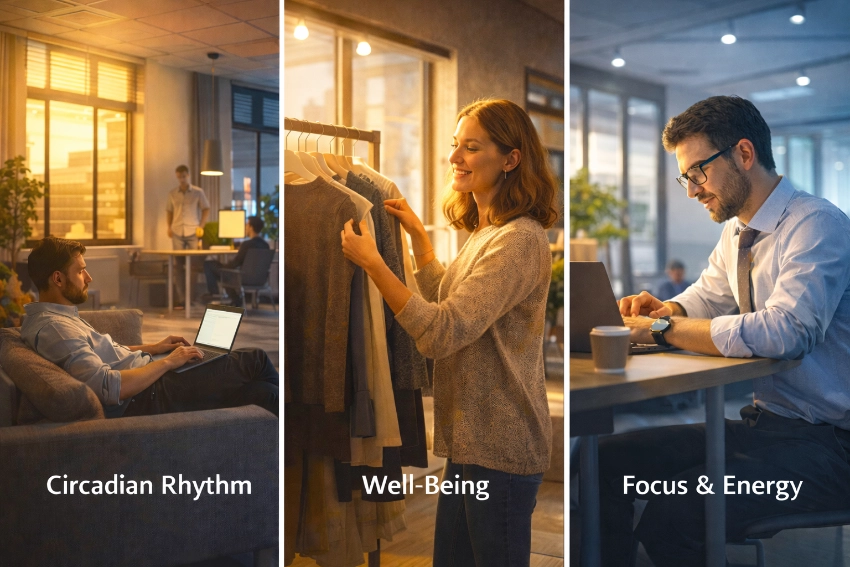
Effective human-centric lighting strategies move beyond aesthetics. They support circadian entrainment, reduce visual fatigue during extended occupancy, and enhance emotional well-being. In commercial environments, this means lighting systems that respond dynamically to time of day, activity, and spatial intent.
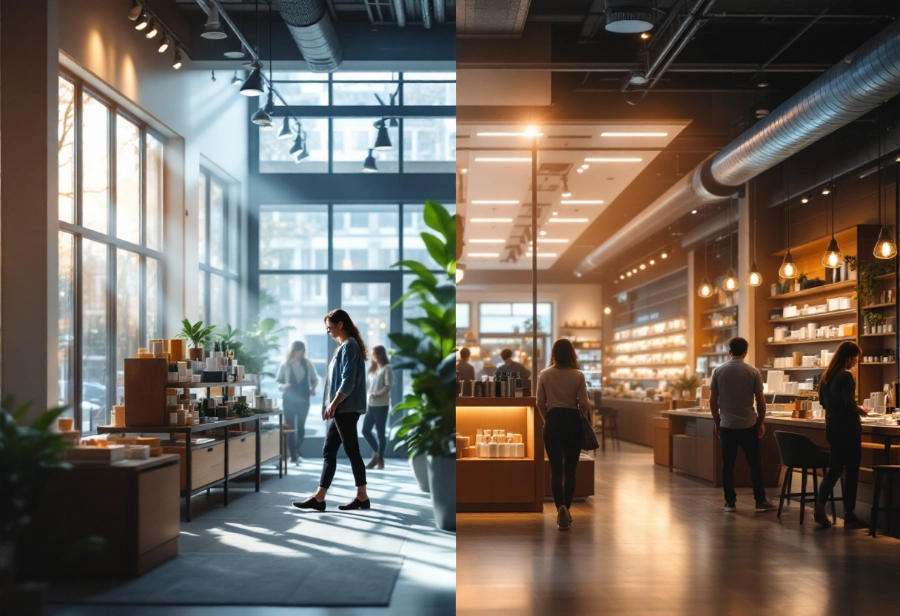
Dynamic Lighting Systems for Circadian Support
Dynamic lighting systems simulate the natural progression of daylight by adjusting brightness and color temperature throughout the day. This approach helps maintain focus in the morning, supports sustained performance during peak hours, and promotes visual comfort as energy levels decline.
Tunable White Lighting and Daylight Simulation
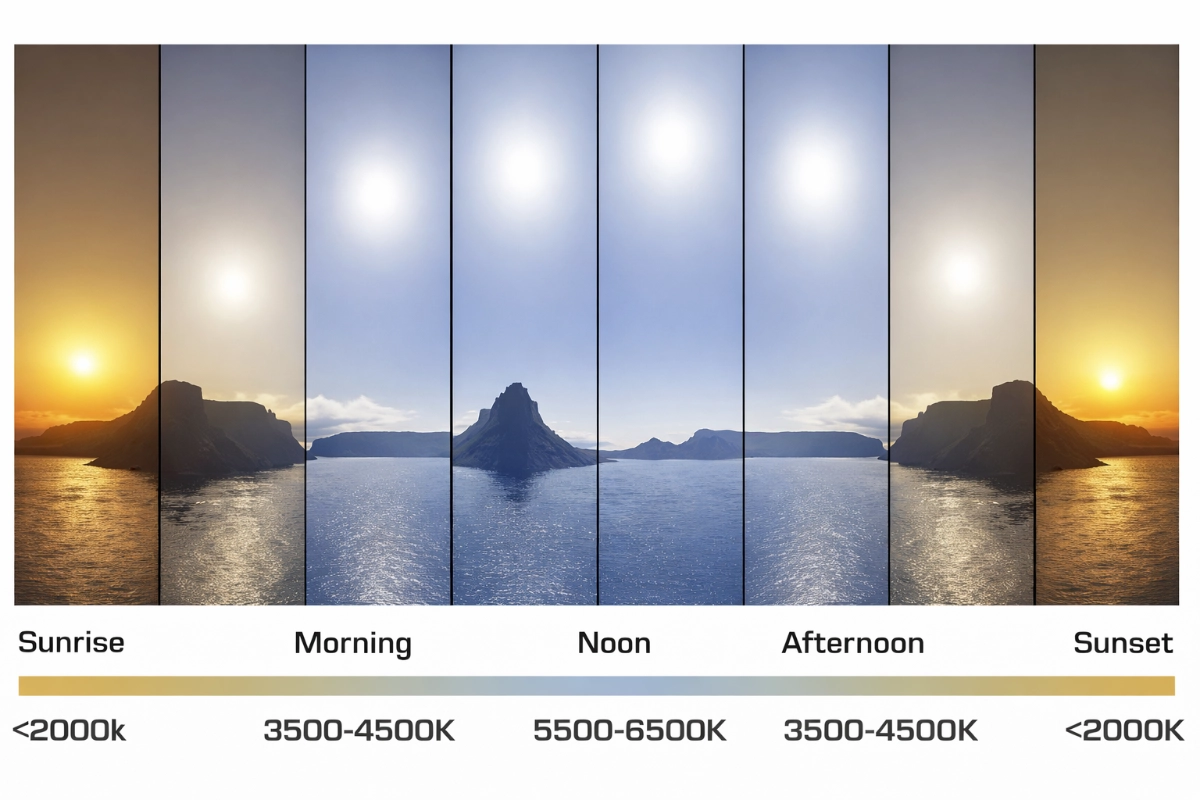
Tunable white lighting plays a critical role in circadian lighting systems. By shifting from warm to cool light and back again, tunable white solutions reinforce the body’s natural biological rhythms without compromising visual clarity.
Circadian Lighting Solutions for Retail and Commercial Design
Sola™ Lighting Engine by TLS
Sola™ is a human-centric lighting engine from TLS Architectural Lighting designed for precise circadian control. With seamless tuning from 2700K to 6500K and smooth dimming from 0–100%, Sola delivers stable, high-quality illumination that adapts to both time of day and activity. In retail and commercial environments, Sola often serves as the biological foundation of the lighting system.
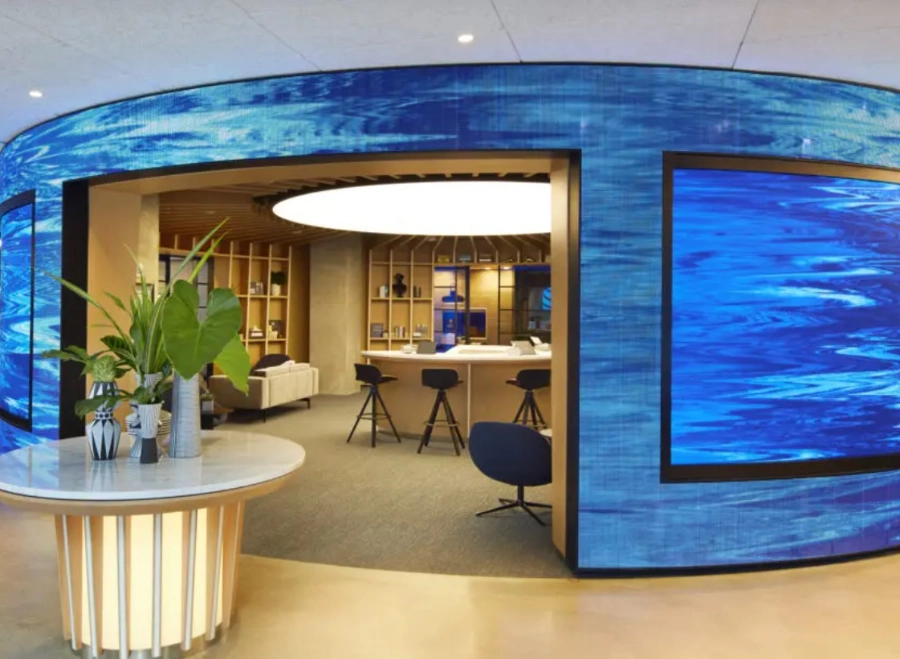
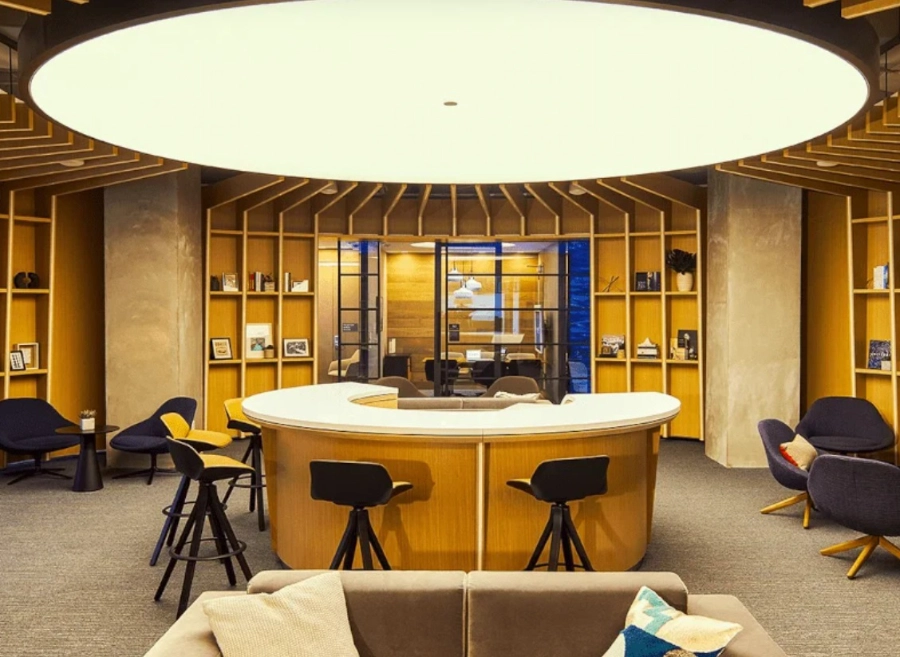
Project Highlight – JP Morgan Chase Retail Environment
In the JP Morgan Chase retail environment, dynamic lighting powered by the Sola engine demonstrates how circadian lighting strategies can be integrated seamlessly into architectural design. Tunable white illumination shifts throughout the day, reinforcing clarity, trust, and visual comfort.
Experiential Lighting and Emotional Engagement
Vega™ Lighting Engine by TLS
While circadian lighting establishes a biological framework, experiential lighting enhances emotional engagement. Vega™, TLS’s full-spectrum lighting engine, enables designers to shape mood, reinforce brand identity, and create immersive environments through color, motion, and dynamic scenes.
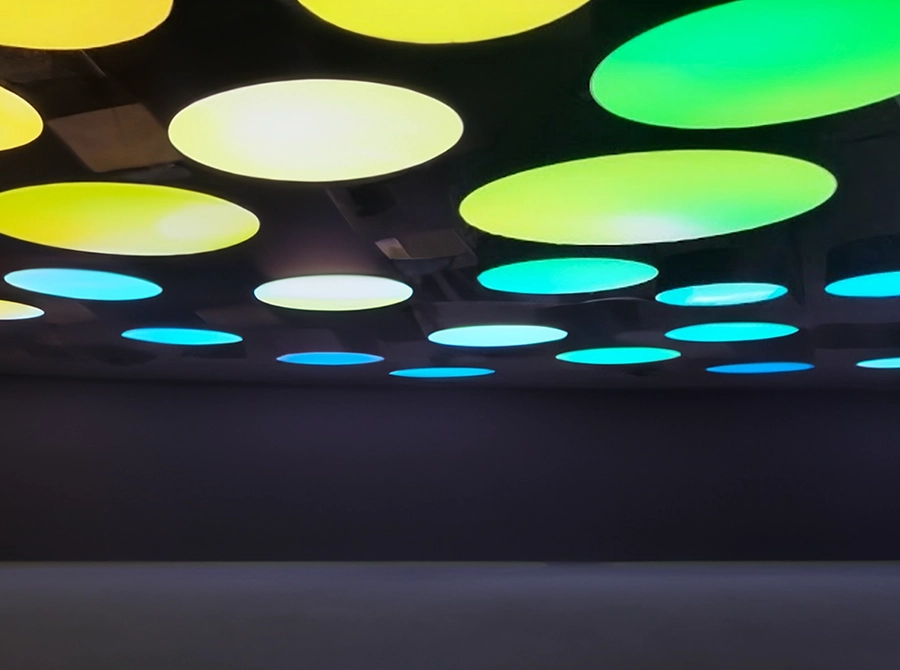
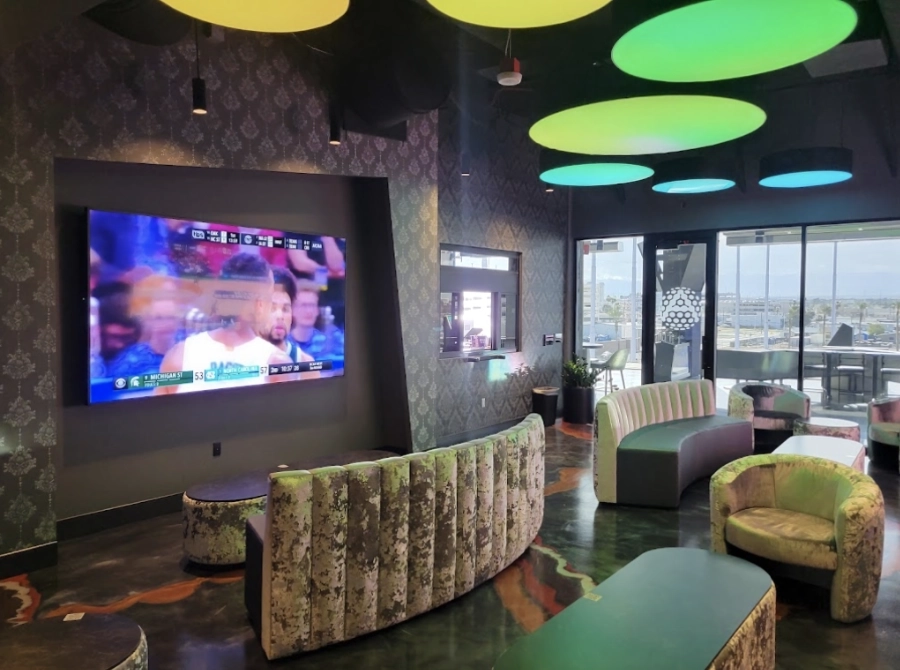
Project Highlight – Atomic Golf
At Atomic Golf, Vega serves as a dynamic architectural lighting layer integrated into the ceiling plane. Bold color, smooth transitions, and uniform illumination activate the space while supporting its energetic, entertainment-driven identity.
Spatial Zoning Through Layered Architectural Lighting
Layered lighting allows designers to define space without physical barriers. Brighter, cooler lighting supports circulation and task-oriented areas, while warmer, lower-intensity lighting creates intimate zones that encourage longer dwell times.
Project Highlight – Copeland’s Restaurant
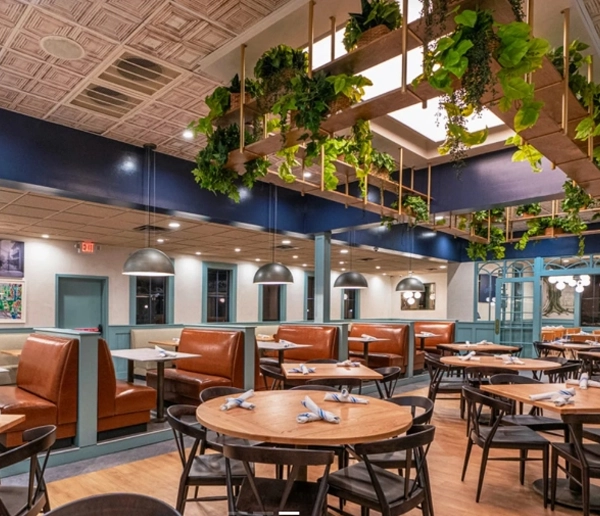
At Copeland’s Restaurant, the LumiSky™ architectural skylight feature acts as a visual and spatial anchor. Soft, downward illumination draws guests into the center of the space while warmer lighting in booth areas creates a relaxed dining atmosphere.
Benefits of Human-Centric Lighting in Commercial Environments
Well-executed human-centric lighting strategies improve visual comfort, reduce cognitive fatigue, and enhance emotional engagement. In retail and commercial environments, these benefits translate into stronger brand perception, longer dwell times, and spaces that support both human well-being and performance.
FAQ — Human-Centric Lighting in Commercial Design
1. What is Human-Centric Lighting (HCL)?
Human-Centric Lighting (HCL) is a lighting design approach that aligns artificial light with
human biological rhythms. By adjusting light intensity, color temperature, and timing
throughout the day, HCL supports visual comfort, circadian health, alertness, and emotional
well-being in commercial environments.
2. How does Human-Centric Lighting support circadian
rhythms?
Human-Centric Lighting supports circadian rhythms by mimicking the natural progression of
daylight. Cooler, brighter light during the morning and midday promotes alertness and focus,
while warmer, softer light in the evening supports relaxation and visual comfort. This
alignment helps regulate sleep–wake cycles and reduces cognitive fatigue.
3. What is circadian lighting in commercial
spaces?
Circadian lighting in commercial spaces refers to lighting systems designed to support human
biological rhythms during extended occupancy. These systems dynamically adjust color
temperature and brightness throughout the day, improving comfort, performance, and overall
experience in environments such as retail stores, offices, restaurants, and public
interiors.
4. What are the benefits of Human-Centric Lighting in
retail environments?
In retail environments, Human-Centric Lighting can:
- Improve visual comfort and reduce eye strain
- Encourage longer dwell times
- Enhance emotional engagement and brand perception
5. What is tunable white lighting, and why is it
important?
Tunable white lighting allows designers to adjust color temperature along the white light
spectrum, typically from warm (around 2700K) to cool (up to 6500K). This flexibility is
essential for circadian lighting systems, as it enables lighting to adapt to time of day,
activity, and spatial intent without compromising visual clarity.
6. How do dynamic lighting systems differ from
traditional lighting?
Traditional lighting systems operate at fixed brightness and color temperature. Dynamic
lighting systems, by contrast, continuously adapt throughout the day. This adaptability
supports human comfort, reduces visual fatigue, and allows lighting to respond to both
functional and experiential needs in commercial architecture.
7. How do dynamic lighting systems differ from
traditional lighting?
While circadian lighting supports biological well-being, experiential lighting enhances
emotional engagement. Through color, motion, and programmable scenes, experiential lighting
helps reinforce brand identity, guide movement, and create memorable spatial
experiences—particularly in retail, hospitality, and entertainment environments.
8. Is Human-Centric Lighting only relevant for
offices?
No. While offices were early adopters, Human-Centric Lighting is increasingly used in
retail, restaurants, hospitality, healthcare, and public spaces. Any environment where
people spend extended periods can benefit from lighting strategies that support comfort,
well-being, and experience.